How to Paint a Portrait of a Dog Step by Step Tutorial?
Welcome back, animal lovers and portrait artists, to FreePaintingTutorials.com!
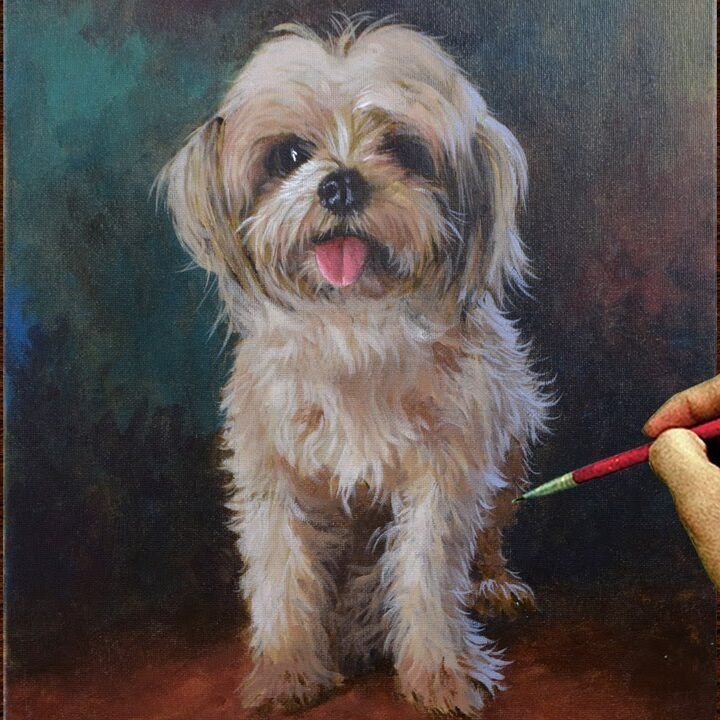
Have you ever tried to capture the expressive eyes or the subtle texture of fur, only to end up with a flat, lifeless image? Today, we’re cutting through the confusion and dedicating the next approximately 1 hour and 30 minutes to mastering the art of the canine portrait. This tutorial is your masterclass in learning how to paint a dog that looks alive, focusing on the crucial details that make a portrait of a dog truly realistic.
We won't just be painting brown shapes; we'll be focusing on layered fur texture, cool shadows, and warm highlights to give your portrait painting depth and soul. Ready to create a lifelike dog painting that captures your favorite subject’s personality?
Let's get started with your supplies!
🖌️ Supplies You'll Need
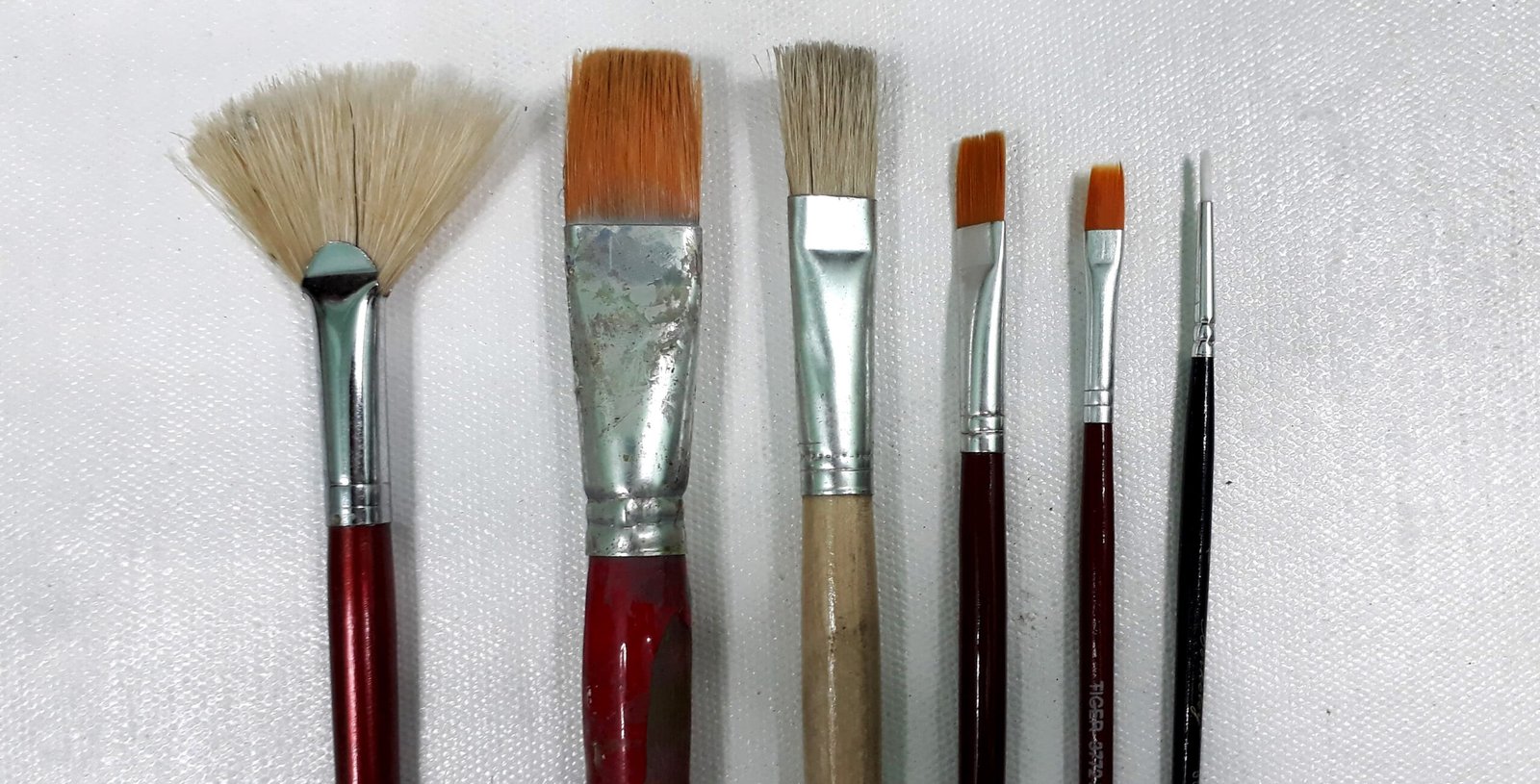
Painting detailed fur and subtle expressions requires specific brush control, especially the use of liner brushes.
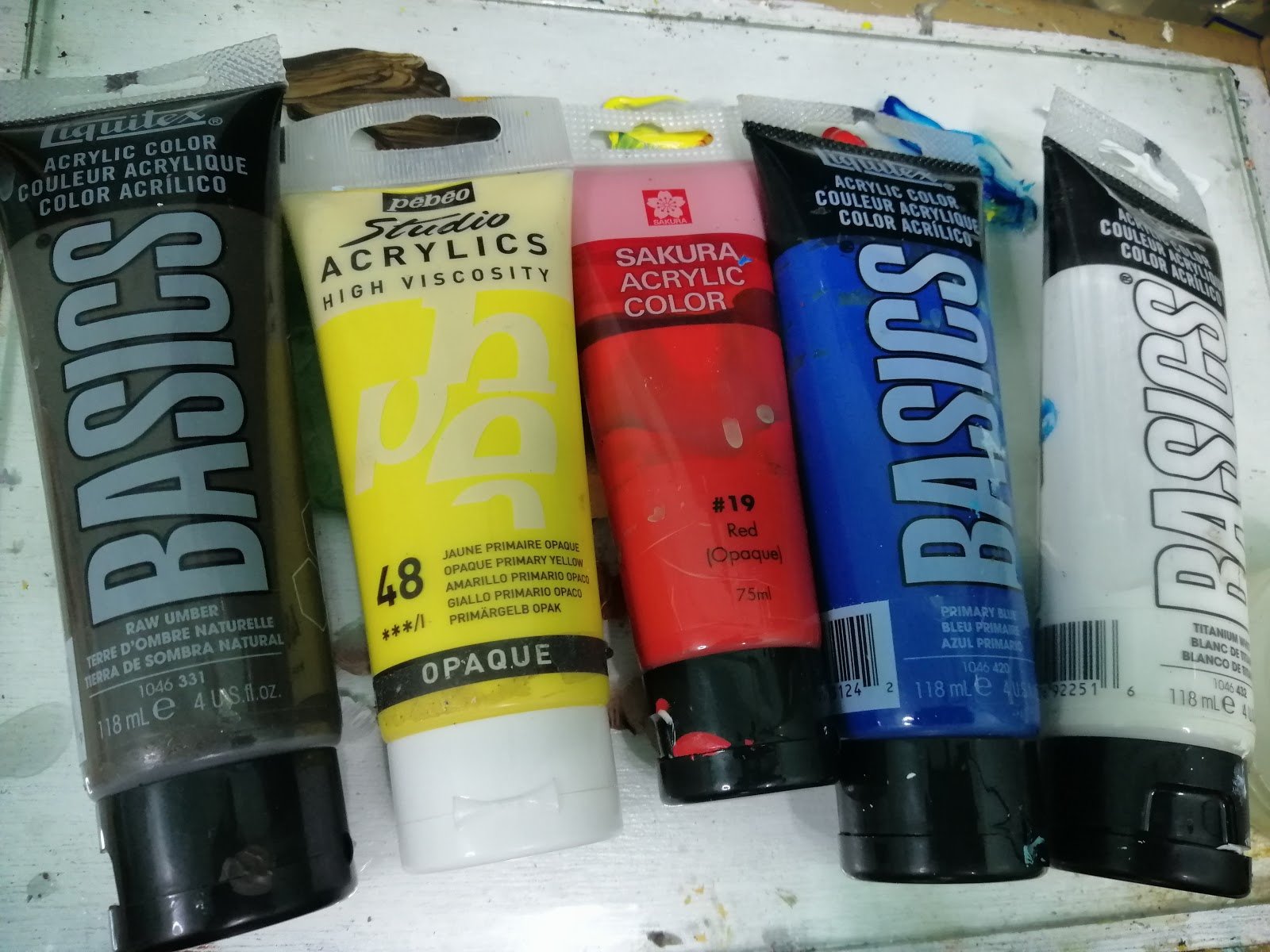
Acrylic Paint Colors
We'll need warm earth tones, white, and cool colors (blue/violet) for realistic shadow work.
Titanium White (Essential for highlights and mixing lighter fur tones)
Phthalo Blue / Ultramarine Blue / Primary Blue (Used for cool shadows and mixing darks)
Brilliant Red / Primary Red / Cadmium Red (Used to mix purples/violets for shadows)
Medium Yellow / Primary Yellow (For slight warmth in light areas)
Raw Umber / Burnt Umber / Burnt Sienna (Primary colors for the dog's coat and shadows)
Step-by-Step Tutorial: How to Paint a Portrait of a Dog
This tutorial focuses on using careful layering, moving from broad forms (underpainting) to fine details (individual furs and eyes).
1. Adding Light Brown Background
We start by setting a neutral stage that will make the dog's portrait stand out.
Background Underpainting: Using your large flat brush (Number 12), mix Titanium White with a small amount of Raw Umber to create a light, warm gray-brown. Apply this color evenly across the entire background area. This soft, neutral tone ensures that when you begin the portrait painting, the bright fur colors will have a suitable contrast. If the background is too dark, the dog will sink; if too bright, the dog won't pop.
2. How to Sketch the Portrait
Accurate sketching is the foundation for any successful portrait of a dog.
Sketching Color: Mix a thin wash of pure Raw Umber with water.
Application: Using your small flat brush (Number 3), lightly outline the major shapes: the head, the muzzle, the position of the eyes, ears, and chest. Focus on measuring the distances between key features (eyes, nose) to ensure accuracy. This method of sketching with a brush gives you a softer, more painterly line than pencil.
3. How to Paint the Highlights for Portrait
Before painting the overall coat color, identify and block in the brightest areas.
Highlight Mix: Create a very light brown (Titanium White + a touch of Raw Umber + a hint of Medium Yellow).
Application: Using your small flat brush (Number 3), block in the areas on the forehead, the top of the muzzle, and the curve of the body where the light source hits directly. This initial highlight placement dictates the form and direction of all subsequent fur strokes, laying the groundwork for how to paint a dog realistically.
4. How to Paint the Dog Face and Furs
Now, we introduce the full range of colors and begin the detailed fur work on the most expressive part of the portrait.
Base Coat: Block in the main color of the dog's face and body using medium browns (Burnt Umber and Raw Umber).
Shadows (Cool Tones): The key to a realistic coat is using cool shadows. Mix your dark shadow using a combination of browns, lights, and dark purples (Raw Umber + Phthalo Blue + Brilliant Red). Apply this mixture generously in the eye sockets, under the chin, and on the side of the face facing away from the light.
Fur Texture: Using your smaller brushes (Number 3 Flat and Liner Brush), begin painting individual strands of fur. The brush strokes must follow the direction of the fur growth. Apply dark strokes over the light base, and then light strokes over the dark base, always changing direction slightly to avoid a striped look. This layered approach is vital for achieving depth when learning how to paint a portrait of an animal.
5. Highlighting the Body
We apply the same detailed layering technique to the rest of the body.
Adding Details to the Body: Using your small flat brush and medium brown tones, block in the form of the chest and shoulders.
Adding Detailed Furs: Switch to your Liner Brush (No. 0). Load it with a light, warm highlight color (Step 3 mix) and paint short, fine strokes over the darker areas of the chest and back. Do not cover the shadow areas completely! Leave the cool, dark purple shadows exposed beneath the fur highlights to give the body shape and weight.
6. Finishing by Adding Dark Backgrounds
The final step uses the background to dramatically frame the dog and pop the highlights.
Shadow Mix: Refine your background shadow using a deep, rich neutral: a combination of blue, green, Raw Umber, and reds. This creates a complex, near-black color.
Framing the Portrait: Apply this dark, rich color close to the edges of the dog's light-colored fur. The strong contrast between the dog's bright edge (rim light) and the dark background will make the dog immediately jump forward, completing the effect of a lifelike dog painting.
Final Retouching: Add tiny, sharp white dots (Titanium White + a micro-dot of Yellow) to the catchlights in the dog's eyes to bring them to life. Use the Liner Brush to add the finest, final strands of fur over the darkest areas.
Congratulations!
You've successfully completed this detailed tutorial and mastered the critical techniques required to create a lifelike portrait of a dog! This skill in rendering fur texture and form is foundational to all animal portrait painting.
Expand Your Painting Skills!
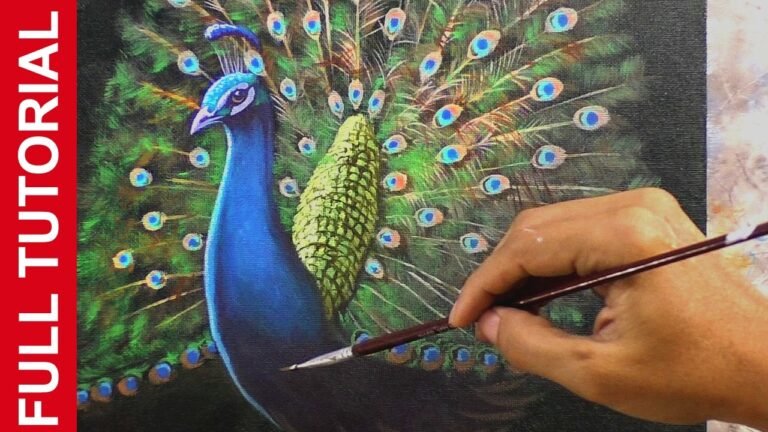
Ready to tackle your next masterpiece? We have dozens more in-depth acrylic painting tutorials waiting for you!


Awesome work
Sooo good ❤
Sir Jm, thank you for portraying our Furbaby "Belle", so beautiful ☺️ and lively to look at, we so love it 😘